Oakville Living: Quiet Suburb On The Mississippi Bluffs
May 28, 2026
May 28, 2026
Looking for a St. Louis suburb that feels settled, scenic, and easy to live in? Oakville stands out for exactly that reason. If you want more space, a quieter residential setting, and strong access to parks along the Mississippi River bluffs, this south county community deserves a closer look. Here’s what you should know before deciding if Oakville fits your next move.
Oakville is an unincorporated community in south St. Louis County, set between Interstate 55 and the Mississippi River. That location helps shape its identity. You get a suburban layout with everyday convenience, plus nearby access to natural areas that give the community a calmer, more outdoors-oriented feel.
The numbers back that up. Oakville had 36,301 residents in the 2020 Census, and the population changed very little from 2010 to 2020. That kind of stability usually points to a mature, built-out suburb rather than a fast-growing edge-of-town market.
You can also see that stability in day-to-day housing patterns. About 86.0% of occupied homes are owner-occupied, the average household size is 2.53 people, and 92.4% of residents were living in the same house one year earlier. In plain terms, Oakville tends to feel rooted, residential, and consistent.
If Oakville has a signature lifestyle feature, it is its connection to the river bluffs and nearby parkland. This is not a place that tries to feel urban or high-energy. Its appeal is quieter and more grounded, with natural scenery playing a big role.
Cliff Cave Park is one of the clearest examples. St. Louis County describes it as a natural area with upland forest, karst topography, bottomland forest, wetlands, Mississippi River vistas, and a wide variety of trails. For you as a buyer, that means Oakville offers more than just subdivisions and shopping corridors. It offers outdoor access that can become part of your regular routine.
Bee Tree Park also adds to that identity. County landmark records place Bee Tree Farm in Bee Tree Park, tying the area to both open space and local history. Together, these nearby destinations help explain why Oakville often feels more scenic than people expect from a suburban community.
Oakville is built for people who want a practical suburban rhythm. You are more likely to drive than walk for most errands, and the area reads as car-oriented rather than urban. That said, many buyers see that as part of the tradeoff for more space, a quieter atmosphere, and established neighborhoods.
Nearby attractions listed by the county include Cliff Cave Park, Bee Tree Park, South County Center, and Kennedy Recreation Complex. That mix gives you a solid balance of outdoor recreation and everyday convenience. You are not moving here for nonstop city buzz. You are moving here for comfort, breathing room, and access to what you need.
Commute times help tell the same story. Oakville’s average commute time is 27.6 minutes, compared with 23.1 minutes for St. Louis County and 23.5 minutes statewide. So the commute is workable, but it is not especially short.
One of the biggest mistakes buyers can make is assuming every south county suburb is a bargain. Oakville is better described as moderately priced by St. Louis suburban standards. It is not the lowest-cost option in the region, and it should not be framed that way.
Oakville’s median value of owner-occupied homes is $318,600. That is above the St. Louis County median of $276,800 and above the Missouri median of $230,300. Median household income is $106,362, which also supports the picture of a relatively stable, established homeowner community.
Where Oakville may stand out for value is in comparison with some higher-priced west county suburbs. For example, median home values are $377,100 in Ballwin, $451,400 in Kirkwood, and $472,500 in Chesterfield. If you want a suburban setting with space and a strong residential feel, Oakville can look like a more attainable option than those markets without being a discount play.
Oakville is not known primarily as a historic-district market, but it does have older roots. County landmark listings for the area include the Fassen-Eiler Farmhouse, John Fried Place, Heinrich Schmitz House, and Bee Tree Farm. That gives the community some visible local history, even though most buyers are not shopping here for landmark homes.
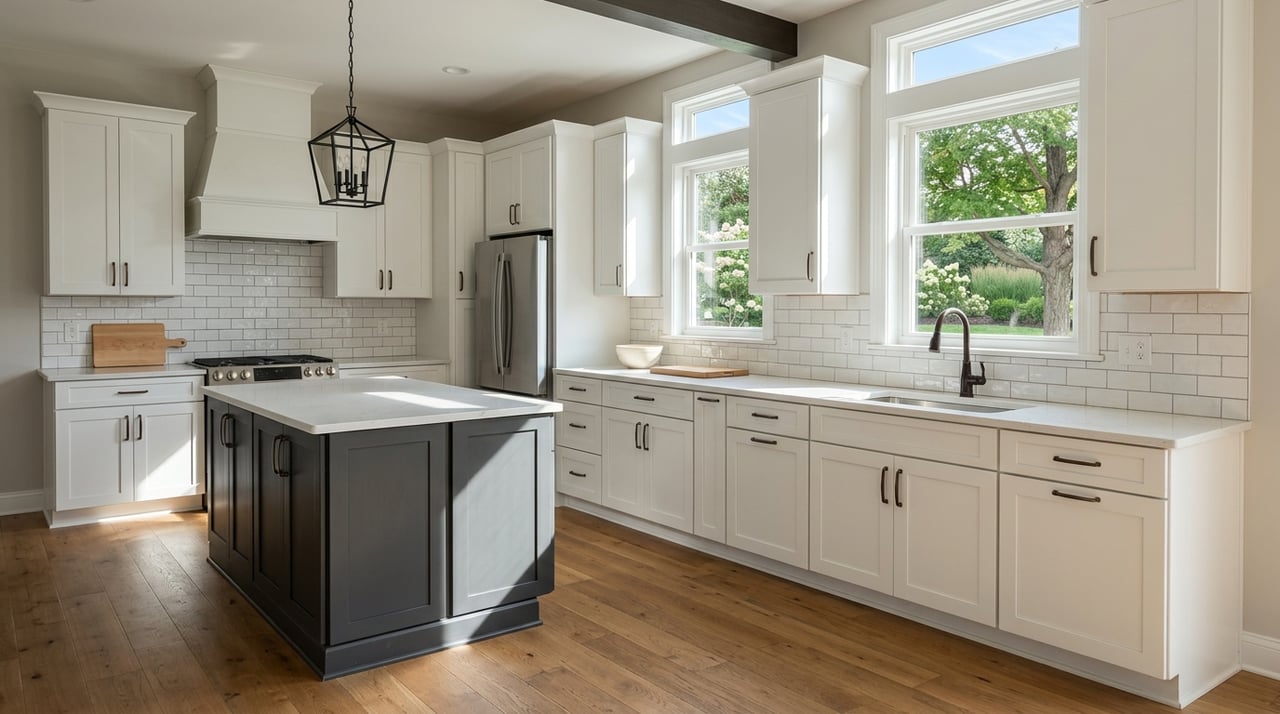
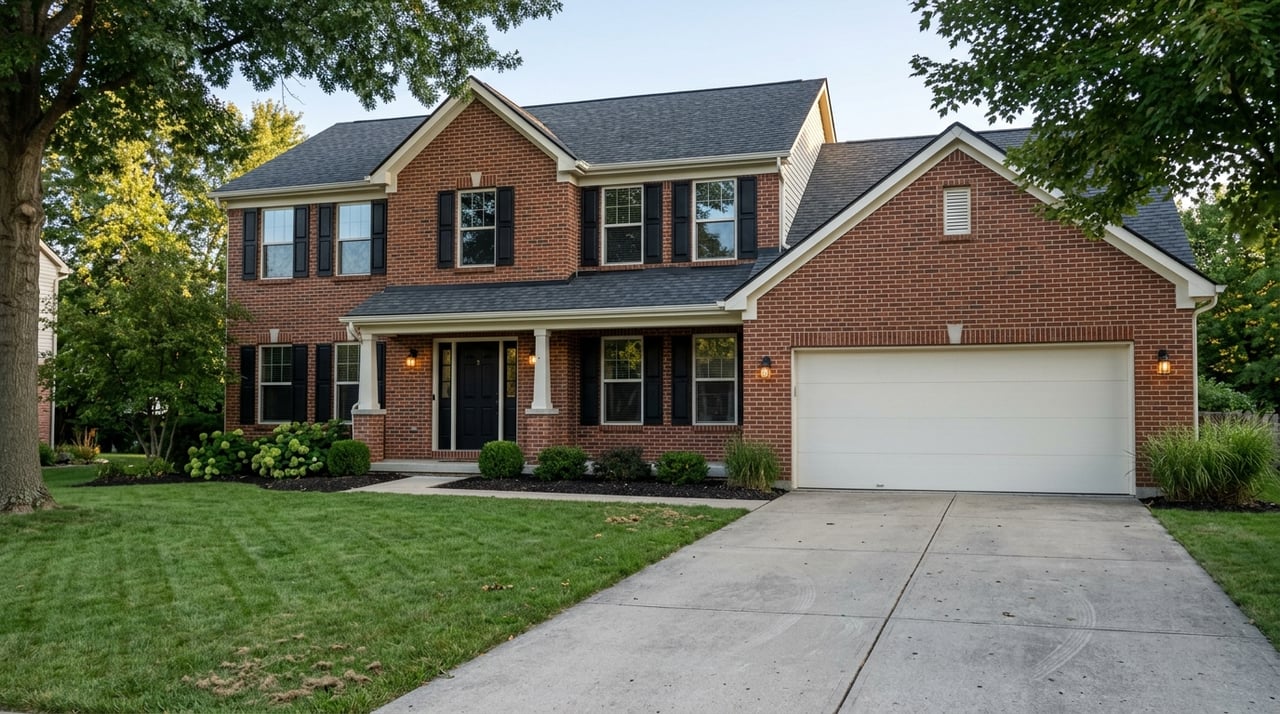
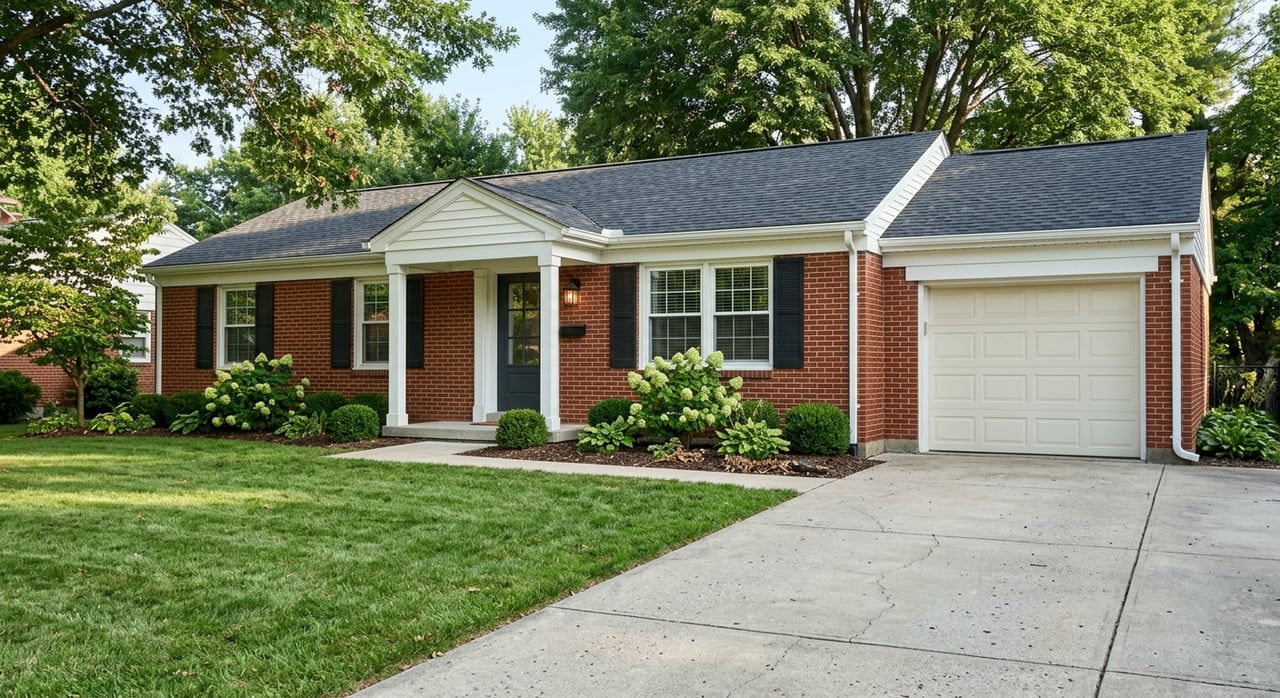
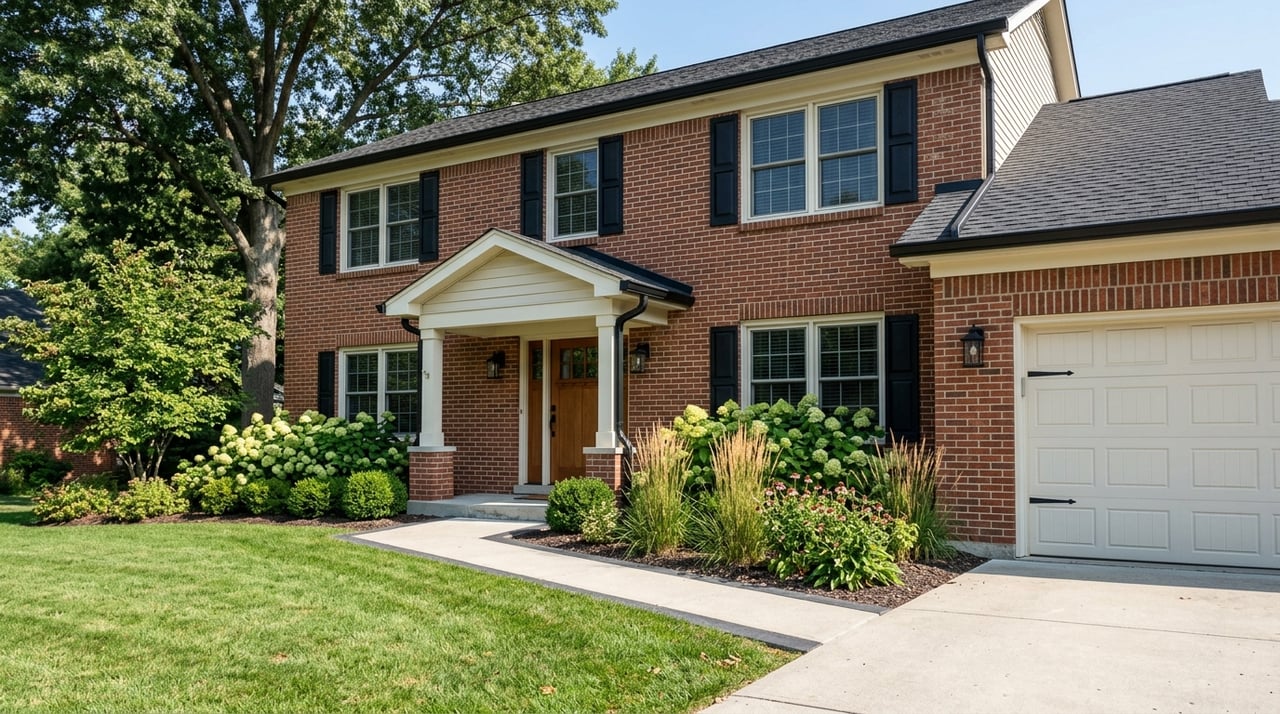
In broader market language, Oakville housing is often described as ranch-heavy, with some two-story Colonial Revival homes and many brick or brick-and-vinyl exteriors. One housing profile reports a median construction year of 1982, which lines up with the feel many buyers notice on the ground: established subdivisions, familiar suburban layouts, and homes that may offer solid square footage on mature lots.
For you, that usually translates to practical livability. Think established streetscapes, homes with traditional curb appeal, and a market where updates and condition can vary from property to property. It is less about novelty and more about usable space and a settled neighborhood feel.
Schools are a meaningful part of Oakville’s identity. The area is served by the Mehlville School District, and the district’s school list includes Oakville Elementary School, Oakville Middle School, and Oakville High School. For many buyers, that makes school-location planning part of the Oakville search process.
That does not mean every buyer chooses Oakville for the same reason. Some are looking for a quieter place to put down roots. Others want proximity to district schools, neighborhood stability, or easier access to parks and recreation.
Oakville tends to work best for buyers who want a stable suburban setting and do not mind a car-oriented lifestyle. If you value neighborhood consistency, owner-occupied housing, and access to outdoor space, Oakville checks a lot of boxes. The community can also make sense if you want more room than you may find in a more central neighborhood.
It may be especially appealing if you are:
Oakville may be less ideal if your top priority is walkability or the shortest possible commute. The tradeoff here is pretty clear. You are choosing suburban calm and outdoor access over urban convenience.
Oakville does not need to be flashy to be appealing. Its value is in how livable it feels. A stable population, high owner-occupancy, established housing, and standout park access all point to a community that has staying power.
If you are drawn to mature neighborhoods, a quieter pace, and the natural backdrop of the Mississippi bluffs, Oakville is worth serious consideration. It offers a version of suburban St. Louis living that feels grounded, scenic, and practical in the ways that matter most to many buyers.
When you are ready to shape a real-estate brand or lifestyle story that actually connects with your audience, Melinda Becker brings design-led strategy, sharp positioning, and conversion-focused content to the table.
Stay up to date on the latest real estate trends.



Farmers Markets St. Louis - 2026 Season
Get assistance in determining current property value, crafting a competitive offer, writing and negotiating a contract, and much more. Contact me today.