Getting Started With Small Rental Properties In Arnold And Imperial
April 23, 2026
April 23, 2026
If you have been thinking about buying your first rental property in Jefferson County, Arnold and Imperial are worth a closer look. Both markets offer a path into small-property investing, but they work a little differently once you look at housing stock, rent ranges, pricing, and upkeep. If you want a clearer picture of where to start, what to buy, and what numbers matter most, this guide will help you sort through the basics. Let’s dive in.
Arnold and Imperial are both suburban markets where detached homes make up most of the housing supply. In Arnold, Point2 reports that 79% of housing units are detached single-family homes, while Imperial is even more concentrated, with 90.2% detached single-family homes. That matters because your best small-investor options may look less like large apartment buildings and more like scattered-site houses, townhomes, or the occasional duplex.
These markets also appear to favor practical, everyday rentals over ultra-small units. Family households make up 65.9% of households in Arnold and 72.6% in Imperial, according to Point2, and most residents commute by car. For you as an investor, that points toward rentals with functional layouts, parking, and easy access to commuter routes.
Before you start touring properties, it helps to understand how these two markets differ.
| Market | Median Sale Price | Rent Snapshot | Housing Pattern | Key Watchout |
|---|---|---|---|---|
| Arnold | $270,000 | 1BR about $965 to $1,040, 2BR about $1,200 to $1,228, broader average rent $1,295 | More detached homes, some attached homes and conversions | Older housing stock may need more rehab |
| Imperial | $336,500 | 1BR about $656 to $675, 2BR about $760 to $812, broader average rent $1,447 | Strongly detached-home market with limited small multifamily | Renters may be more price-sensitive |
According to Redfin market data for Arnold, Arnold had a median sale price of $270,000 in March 2026, while Imperial came in at $336,500 in the research snapshot. Homes were also moving quickly, at about 20 days in Arnold and 22 days in Imperial.
That creates two different starting points. Arnold may offer a lower barrier to entry, while Imperial may require more capital up front. At the same time, Arnold’s older homes can bring more repair and renovation risk, so the lower purchase price does not automatically mean the easier deal.
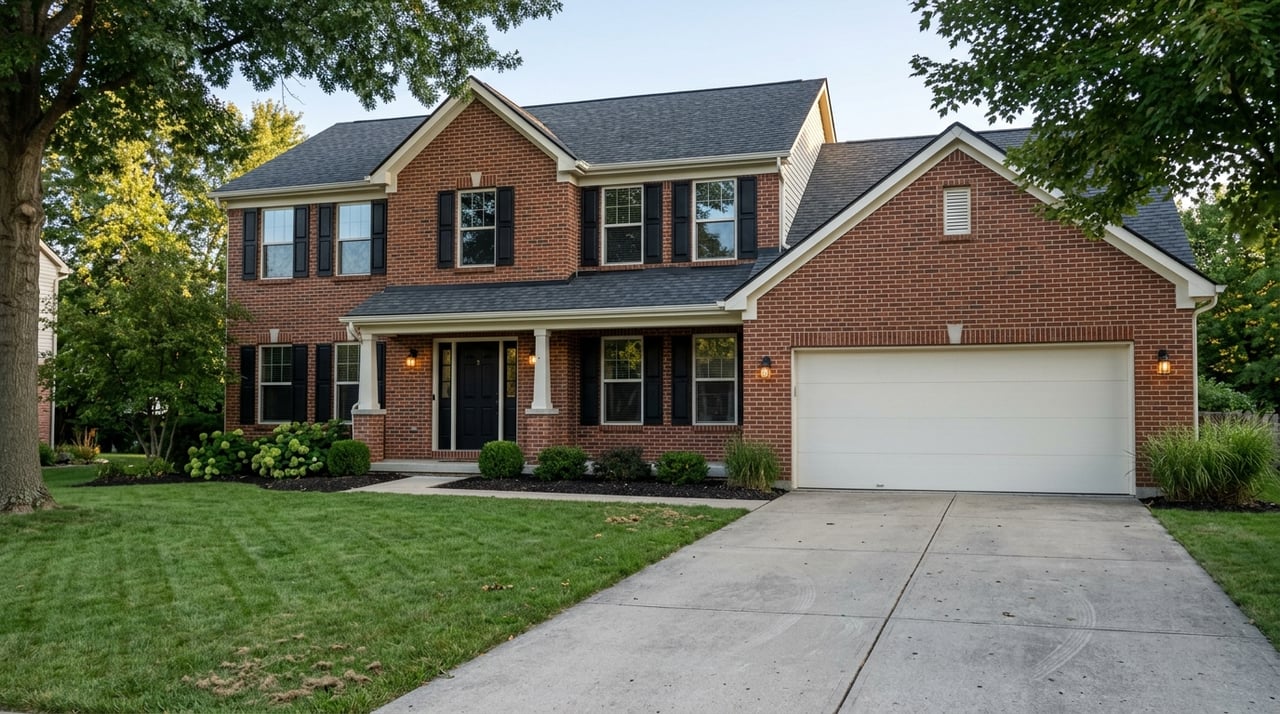
For most first-time investors in these areas, the cleanest play is often a well-kept 2- or 3-bedroom house or small attached property. That lines up with the local housing mix and with the likely needs of renters in these markets. It also keeps your search focused on properties that are easier to understand and manage.
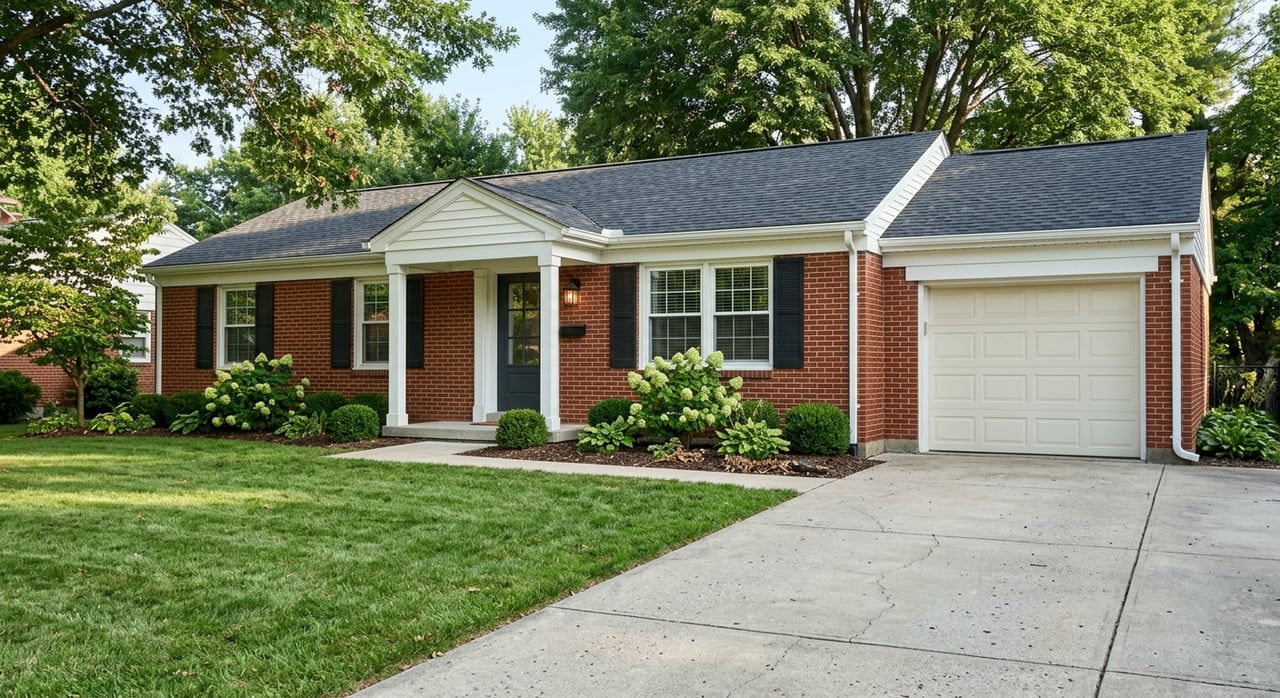
Arnold offers a wider mix of practical entry points. The city’s comprehensive planning materials note older mid-century homes, lower-priced housing stock, and single-family-to-rental conversions, along with a need for repairs and renovations in older homes. You can review that context in the City of Arnold planning document.
That means Arnold may be a fit if you are open to value-add opportunities. A dated but structurally sound home could create room for improvements, but only if you budget carefully for maintenance, turnover, and code-related issues.
Imperial is a different setup. With very little true small-multifamily stock, your likely path is a scattered-site single-family rental strategy rather than hunting for duplexes or small apartment buildings. The Imperial housing profile on Point2 shows just how limited the two-unit and three-to-four-unit stock is.
That makes property condition and layout especially important. Since the rental pool appears thinner than in more apartment-heavy markets, a clean, functional home at a realistic price may perform better than a property that needs heavy updating or stretches affordability.
One of the easiest mistakes new investors make is treating online rent estimates like a guaranteed result. In both Arnold and Imperial, the published rent trackers do not perfectly match because they measure different inventories.
In Arnold, Apartments.com rent trends show about $965 to $1,040 for a one-bedroom and about $1,200 to $1,228 for a two-bedroom, while the broader Zillow average cited in the research is $1,295. In Imperial, Apartments.com rent trends show lower apartment figures, around $656 to $675 for a one-bedroom and $760 to $812 for a two-bedroom, while the broader Zillow average in the research is $1,447.
The key takeaway is simple: use rent data as a screening range, not a promise. Detached homes and apartments often rent at very different levels, so your expected rent should match the actual property type you plan to buy.
A quick yield calculation can help you compare markets, but it should never be the final decision-maker. Using median sale prices and broader average rents from the research report, rough gross yield screens come out around 5.8% in Arnold and 5.2% in Imperial before taxes, insurance, maintenance, vacancy, and financing.
That is helpful for a first pass, but not enough on its own. A property that looks decent on paper can quickly lose its appeal once you account for real operating costs.
Before you move forward on any small rental property, make sure you model:
Arnold’s older housing stock makes capital expense planning especially important. Imperial’s newer median construction year may reduce some age-related risk, but it does not remove the need to budget for major systems and cosmetic turnover.
Financing a rental property is usually more demanding than financing a primary home. The good news is that price points in Arnold and Imperial are well below the 2026 baseline conforming loan limit set by FHFA, which is $832,750 for one-unit properties.
That said, conforming does not mean easy. Investment-property underwriting still tends to require larger down payments, more reserves, and tighter documentation.
According to the Fannie Mae eligibility matrix, maximum loan-to-value limits can reach 85% for a one-unit investment property and 75% for a 2- to 4-unit investment property. The same source shows that owner-occupied 2- to 4-unit properties can allow higher leverage, which is why house-hacking can be easier to finance than buying a pure rental.
Reserve requirements also matter. Fannie Mae’s reserve guidance notes that reserve expectations increase as the number of financed properties grows, and Freddie Mac has similar added requirements for investment properties. In plain English, you usually need more cash than just your down payment.
On top of that, the Consumer Financial Protection Bureau says closing costs often run about 2% to 5% of the purchase price. When you combine closing costs, reserves, and repair funds, your true cash requirement can be much higher than many first-time investors expect.
A good rental property is not just about the purchase. It is also about knowing your responsibilities once you own it.
The Missouri Attorney General’s landlord-tenant guidance says landlords should make the property habitable before move-in, handle repairs caused by ordinary wear and tear, avoid shutting off essential utilities, provide notice when ownership changes, and avoid unlawful discrimination. The same guidance strongly supports putting responsibilities in writing.
The Missouri AG’s landlord-tenant publication says a lease should at least cover:
That same publication also notes that an oral agreement is only month-to-month, with one full calendar month of written notice required to terminate or change rent. If the lease is for one year or longer, it must be written and signed by both parties.
The Missouri AG also states that security deposits are capped at two months’ rent and must be returned within 30 days, along with an itemized list of damages if deductions are made. For a first-time investor, clear documentation and a written lease are not optional. They are part of protecting your income and limiting disputes.
The first rental property is usually where investors learn the hard lessons. If you want to avoid the most common ones in Arnold and Imperial, keep your attention on fit, condition, and realistic math.
In both markets, vacancy risk may be less about market-wide oversupply and more about a property missing the mark. Poor condition, rent that is out of step with local affordability, or a weak layout can all make a small rental harder to hold profitably.
If you are just getting started, simplicity is your friend. A clean 2- or 3-bedroom home or small attached property in solid condition may offer a more manageable path than a heavy-rehab project or a rare small multifamily with financing complexity.
Arnold may appeal to you if lower entry pricing matters and you are prepared for more maintenance discipline. Imperial may appeal if you want a detached-home strategy and are ready for a higher price point with careful attention to affordability and property condition.
If you want help creating clear, consumer-friendly real estate content that builds trust and converts attention into action, connect with Melinda Becker. The right strategy makes even complex topics feel simple.
Stay up to date on the latest real estate trends.



Farmers Markets St. Louis - 2026 Season
Get assistance in determining current property value, crafting a competitive offer, writing and negotiating a contract, and much more. Contact me today.