Ladue vs Kirkwood: Schools, Homes, And Lifestyle Compared
May 21, 2026
May 21, 2026
Trying to choose between Ladue and Kirkwood? You are not alone. Both are well-known St. Louis-area markets with strong schools, established housing, and very different day-to-day feels. If you are weighing schools, home prices, inventory, and lifestyle, this guide will help you compare the tradeoffs clearly so you can focus on the community that fits you best. Let’s dive in.
If you zoom out, the biggest difference is simple: Ladue is smaller, pricier, and more owner-occupied, while Kirkwood is larger, more accessible, and offers more homes for sale.
Census QuickFacts reports Ladue has 8,989 residents, a 95.7% owner-occupancy rate, and a median owner-occupied home value of $1,056,300. Kirkwood has 29,461 residents, a 77.2% owner-occupancy rate, and a median owner-occupied home value of $451,400. That creates two distinct buyer experiences right from the start.
Realtor.com’s April 2026 snapshot adds another layer. Ladue showed a median listing price of $1.209 million with 30 homes for sale, while Kirkwood showed a median listing price of $499,900 with 118 homes for sale. In practical terms, that means Kirkwood gives you a broader pool to shop from, while Ladue tends to be a tighter, higher-barrier market.
For many buyers, schools are the first filter. The good news is that both districts show strong published outcomes, but they are structured a bit differently and highlight different strengths.
Ladue School District spans about 19 square miles across 10 self-governed communities and serves more than 4,000 students. The district includes an early childhood center, four K-4 elementary schools, a fifth-grade center, a middle school, and a high school.
According to the district, the Class of 2025 posted a 98% graduation rate, and 90% of graduates continued to college. The district also reports that 89% of the 2025 graduating class completed at least one Market Value Asset, such as internships, apprenticeships, client-connected projects, industry credentials, or college-credit work.
Ladue also completed renovations of its four elementary schools and middle school in 2024 following a $126 million bond referendum. That recent investment may matter if updated facilities are high on your list.
Kirkwood School District covers 15 square miles and serves all or portions of eight communities. It includes five elementary schools, two middle schools, one high school, and an early childhood center.
Its published dashboard reports a 97.1% four-year graduation rate and a 98.6% five-year graduation rate. The district also says 83.6% of graduating seniors enrolled in college or university, 400 students took at least one dual-credit class, and Kirkwood High School posted an 80% AP pass rate in 2024-25 compared with 70% statewide.
Kirkwood also reports that Prop R construction delivered safety and accessibility improvements at every school. That points to district-wide capital improvements rather than updates concentrated in only a few buildings.
Based on the districts’ published information, both Ladue and Kirkwood present strong academic profiles. Ladue reads as especially concentrated and college-oriented, while Kirkwood shows a strong mix of AP, dual-credit, and career-pathway opportunities.
If you are comparing the two, it may help to think less in terms of “better” and more in terms of “better for your priorities.” Ladue may appeal if you want a smaller-feeling, highly resourced district structure. Kirkwood may stand out if you want strong academics paired with visible advanced coursework and broader community scale.
Once you move from school research to actual home shopping, the gap between Ladue and Kirkwood becomes even clearer.
Ladue’s 2020-2024 ACS median owner-occupied home value is $1,056,300. Realtor.com’s April 2026 market snapshot shows a median listing price of $1,209,000, a median of 35 days on market, and $355 per square foot.
The same snapshot reported 30 homes for sale and noted that median sale price was down 18.99% year over year. Even with that cooling, Ladue remains a premium market by absolute price, with a smaller resale pool and fewer opportunities available at any one time.
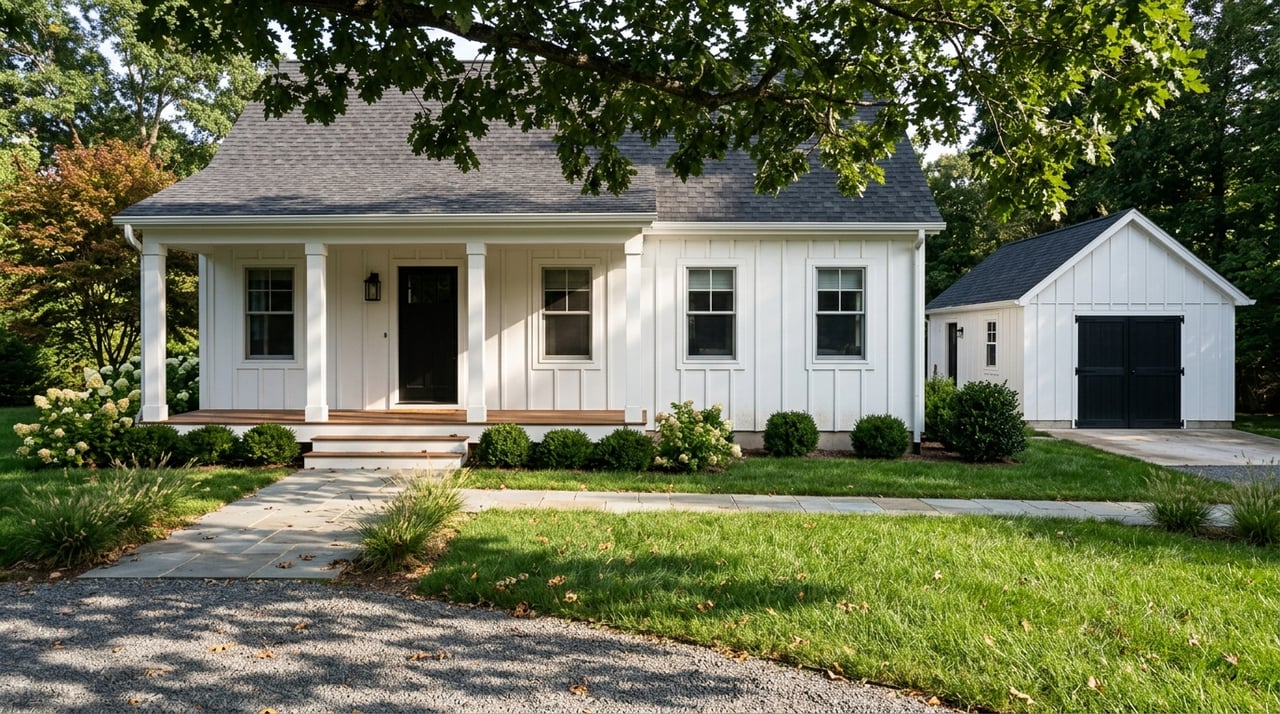
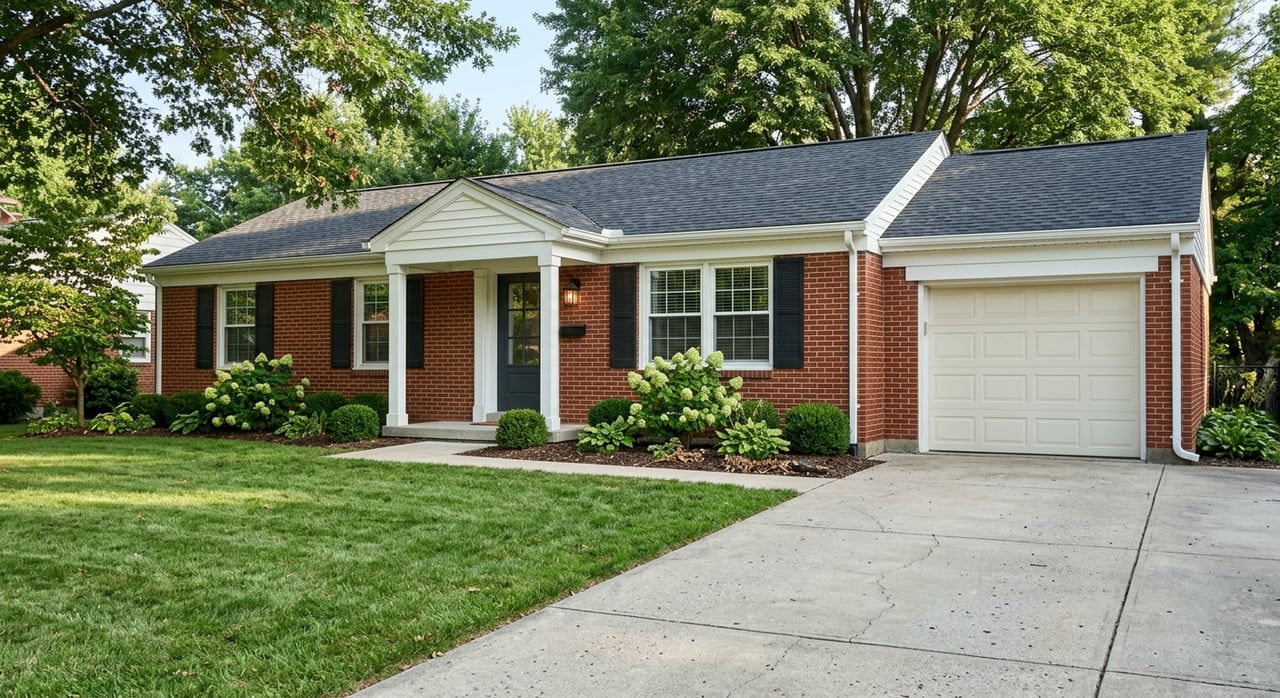
The city’s architectural review guidelines describe a residential pattern built around spacious lots, large homes, elegant cottages, mature vegetation, and predominantly single-family land use. That aligns with what many buyers are looking for when they want privacy, presence, and room to spread out.
Kirkwood’s 2020-2024 ACS median owner-occupied home value is $451,400. Realtor.com’s April 2026 snapshot shows a median listing price of $499,900, 118 homes for sale, 33 days on market, and $253 per square foot.
The same source says homes sold for 100% of asking price in the most recent analysis, while median sale price was down 1.87% year over year. That paints a picture of a market that is still active, but with a much broader entry point than Ladue.
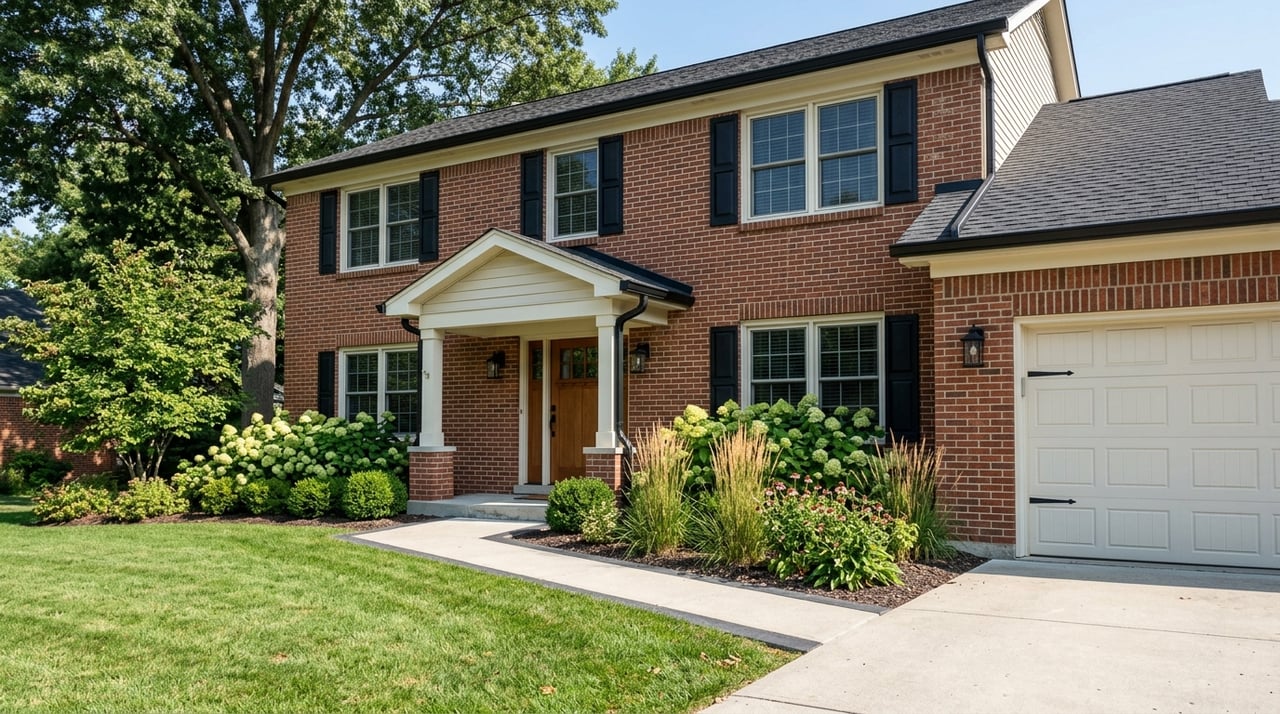
Kirkwood’s preservation program also points to 85 designated landmarks, nine local historic districts, and 24 National Register properties plus four National Register historic districts. For buyers, that often signals a housing stock with more historic character and a stronger preservation-minded identity.
If budget flexibility and choice matter most, Kirkwood has the edge. It offers more inventory, a lower median listing price, and a wider range of price points.
If your goal is a larger lot, a more private residential setting, and a premium housing stock, Ladue fits that brief more closely. The tradeoff is a much higher price threshold and fewer active listings.
Numbers tell part of the story, but your day-to-day experience matters just as much. This is where Ladue and Kirkwood start to feel very different.
Official city materials emphasize low-density residential land use, spacious lots, mature vegetation, and premium land values. In real life, that suggests a quieter and more private suburban experience.
Ladue tends to appeal to buyers who want a more estate-oriented setting and less of a town-center feel. If your ideal block is more about space, greenery, and a tucked-away residential atmosphere, Ladue checks those boxes.
Kirkwood’s strategic plan highlights sidewalks, tree-lined streets, walking or biking distance to schools, a historic downtown, parks and recreation, municipal business districts, an open-air produce market, and a children’s science museum. That points to a more active, community-centered daily rhythm.
For many buyers, Kirkwood’s appeal is that it combines established homes with a more on-foot lifestyle. If you like the idea of a historic downtown and neighborhood streets that feel connected to local amenities, Kirkwood stands out.
Commute times do not capture every detail, but they can still offer a useful clue. Census QuickFacts shows a mean travel time to work of 14.1 minutes in Ladue versus 20.4 minutes in Kirkwood.
That suggests Ladue may be slightly more convenient for some day-to-day commuting patterns. Kirkwood, on the other hand, may offer more of the walkable neighborhood experience once you are back home and moving through your local routine.
When two markets are both appealing, the best choice usually comes down to the kind of life you want your home to support.
There is no one-size-fits-all winner here. Ladue solves for privacy, premium pricing, and estate-style living, while Kirkwood solves for accessibility, inventory, and a more walkable, historic everyday feel.
If you are deciding between the two, the smartest move is to compare not just homes, but how each place supports your routine, budget, and long-term goals. If you want help turning market data into a clear brand story, content strategy, or property marketing direction, Melinda Becker can help you shape the story with style and strategy.
Stay up to date on the latest real estate trends.



Farmers Markets St. Louis - 2026 Season
Get assistance in determining current property value, crafting a competitive offer, writing and negotiating a contract, and much more. Contact me today.