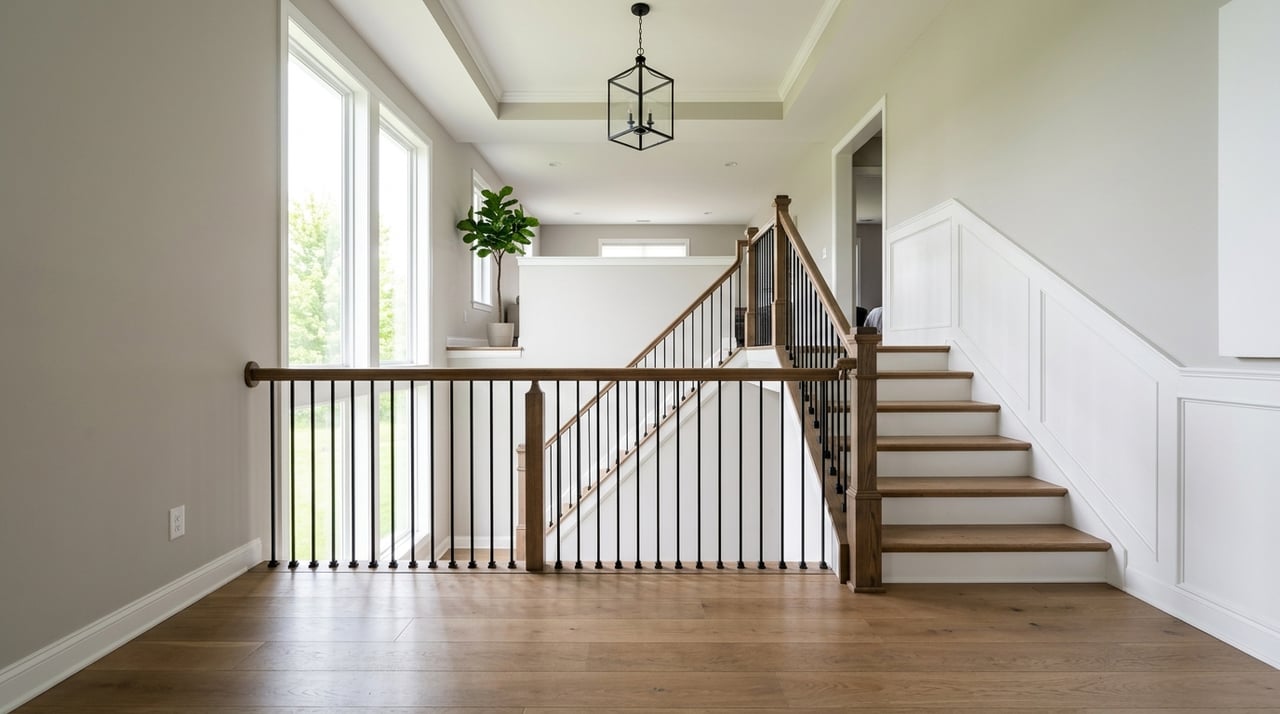
From Starter To Next Home In Arnold
July 16, 2026
July 16, 2026
Wondering whether your first home in Arnold still fits your life, or if it is time for something that works harder for you? That is a very real question when your needs change faster than your floorplan. If you are trying to figure out whether to renovate, list, or buy before you sell, this guide will help you sort through the tradeoffs and make a smarter next move. Let’s dive in.
If you are moving from a starter home to a next home in Arnold, the local market matters more than ever. Recent data places Arnold home values and prices in the high-$200,000s to around $300,000, depending on the source and metric. Zillow reports an average home value of $278,096, Realtor.com shows a median listing price of $300,000, and Redfin reports a three-month median sale price of $294,000.
That mix tells you something important. Arnold is not standing still, but it is also not pure chaos. Zillow says homes go pending in about 5 days, while Realtor.com shows a median 26 days on market, which suggests well-priced homes can still move quickly even as some listings take longer depending on condition, pricing, and features.
For you, that means timing matters. If you want to trade up, it helps to get clear on financing, equity, and your home search strategy before you start touring properties. A move-up plan tends to work best when you know what you can sell for, what you want next, and how much flexibility you have.
In Arnold, a next-step home often means more function, not just more square footage. Current listings range from smaller homes under $200,000 to larger homes in the mid-$300,000s and up to $500,000 or more. That gives you a fairly wide range of options depending on what problem you are trying to solve.
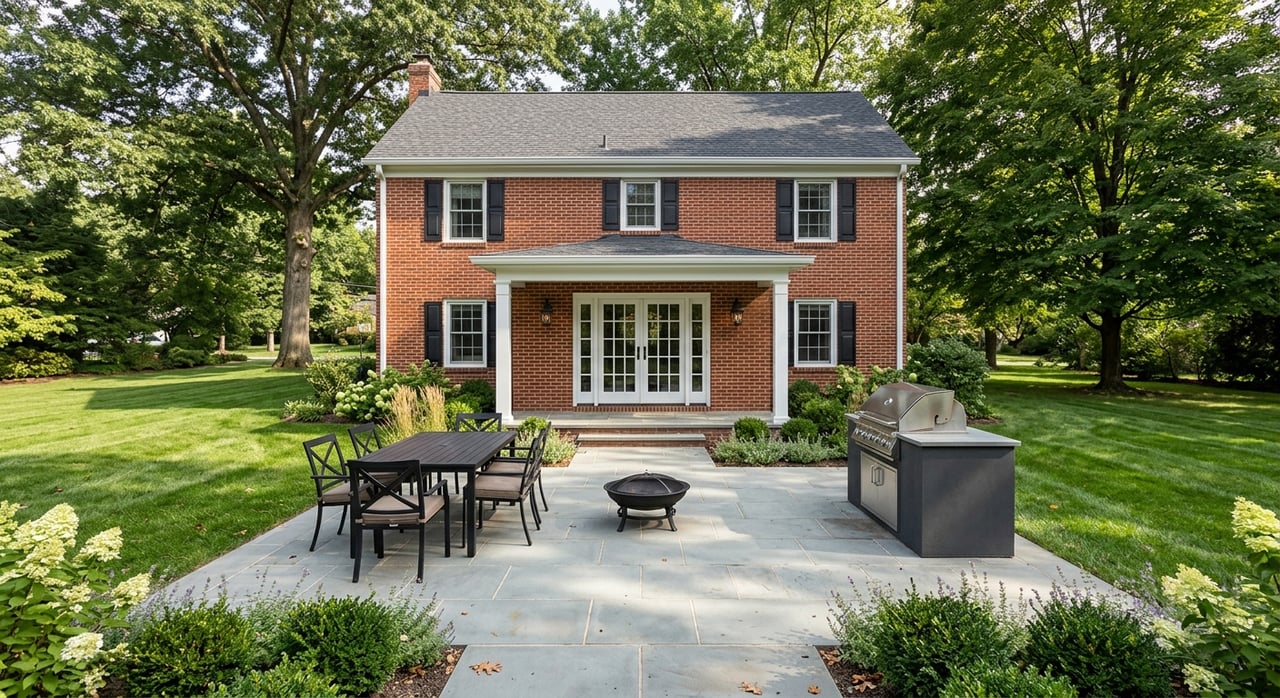
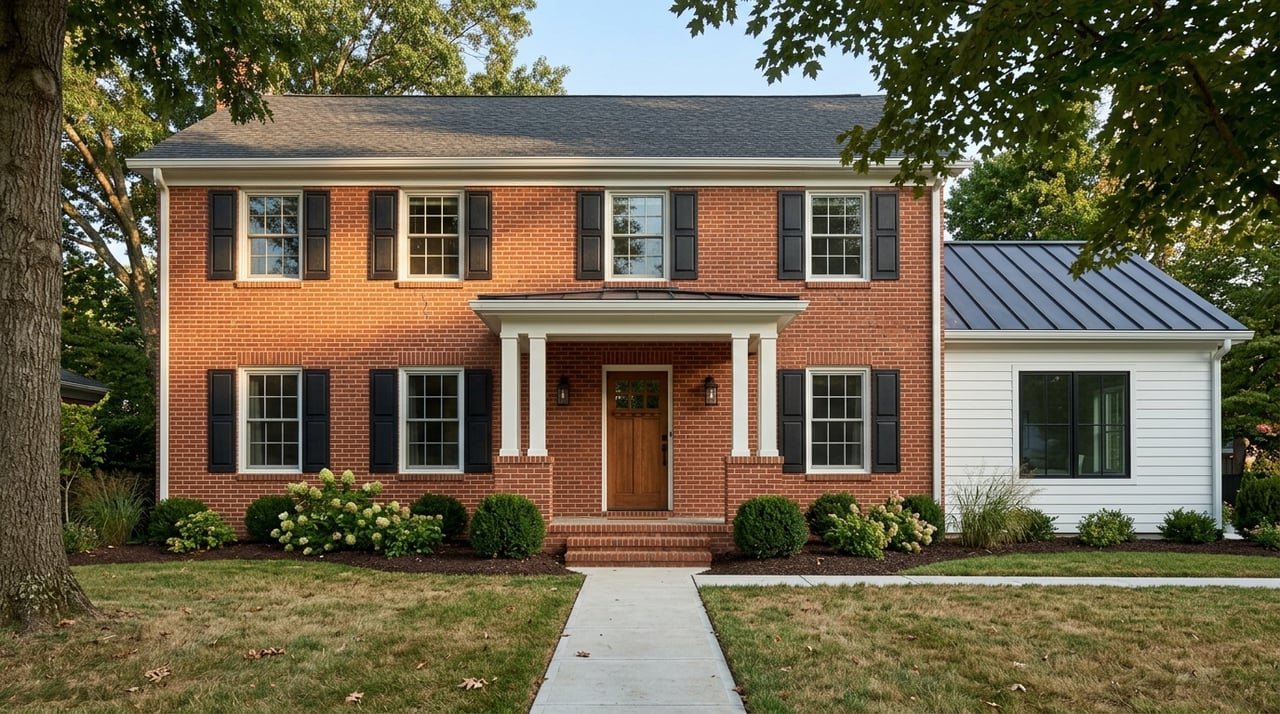
A move-up home here often includes features like a garage, basement, larger yard, or a more spacious 3- or 4-bedroom layout. You may also see ranch and split-foyer floorplans, updated interiors, newer construction, or homes with acreage. These are the kinds of details that often shift a home from “starter” to “fits our life now.”
In practical terms, the next home usually solves one or more daily pain points. That might mean:
If your current home feels tight in ways that affect your routine, this is where your search should stay focused. The goal is not just to spend more. The goal is to buy a home that meaningfully improves how you live day to day.
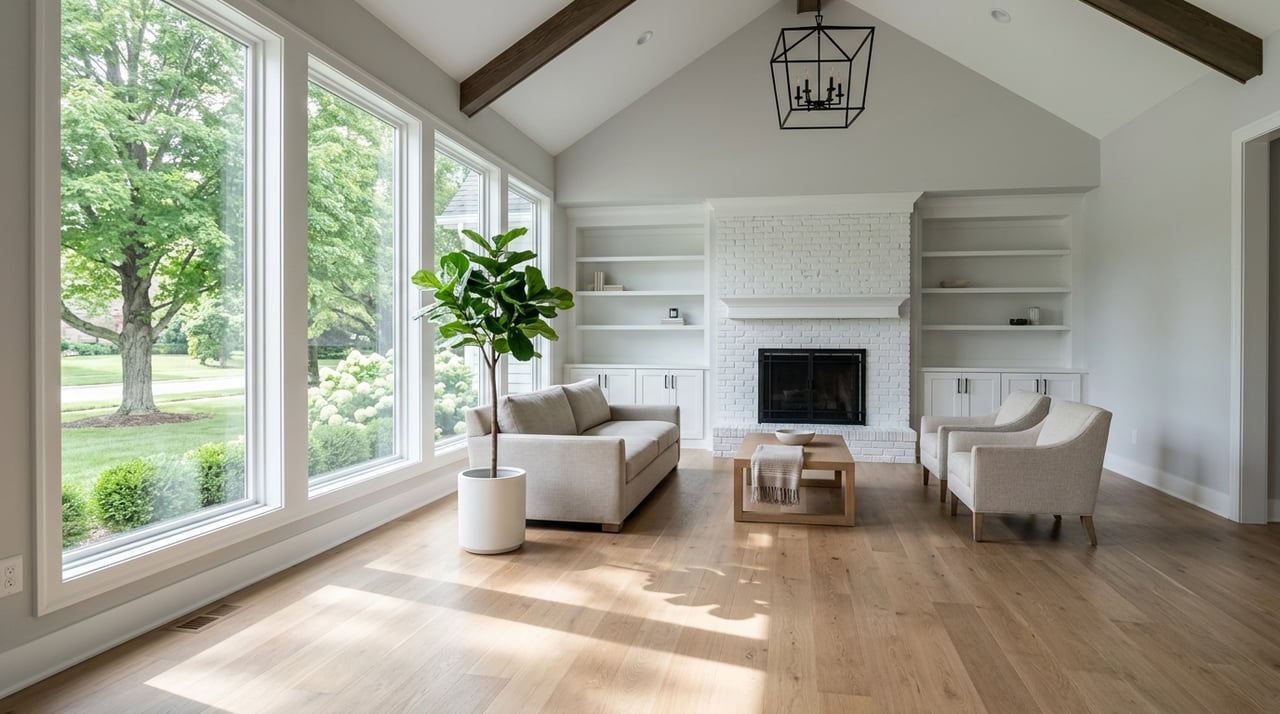
Before you browse listings, take a step back and name the real issue. Sometimes what feels like a need for a new house is actually a need for a better kitchen, more storage, or a fresh layout in one area. Other times, the problem runs deeper and no weekend project is going to fix it.
Ask yourself whether you need a better version of the same house or a fundamentally different house. That question can save you time, money, and frustration. It also helps you decide whether to put money into your current place or put that money toward your next one.
This is often the biggest fork in the road. If your home mostly works and the issues are cosmetic, dated, or limited to one area, renovating may make sense. The 2025 Remodeling Impact Report from NARI found high joy scores for projects like a primary bedroom suite addition, a kitchen upgrade, and a new roof.
There is also a financial side to that decision. The 2024 Cost vs Value report shows that smaller, targeted improvements can make more sense than major overhauls. For example, a minor midrange kitchen remodel recouped 96% nationally, while larger projects like a major midrange kitchen remodel, a midrange primary suite addition, and a midrange bathroom addition recouped much less.
That gap matters. If your layout and location still work for you, smaller updates may be the smart play. If your home lacks enough bedrooms, bathrooms, yard space, or overall functionality, moving up may be the better long-term answer.
Renovation may be worth considering when:
If staying put is your goal, budget planning becomes key. NARI reports that 54% of consumers used home equity loans or lines of credit to finance remodeling in 2024. That makes home equity part of the conversation for many homeowners who want to improve rather than move.
A move-up purchase may be the better fit when:
In those cases, it may be smarter to let your current home do its job as an asset and put your energy into finding a home that better matches your next chapter.
In Arnold, many move-up conversations center on homes priced from the high-$200,000s into the $300,000s. That range often brings more practical upgrades rather than just a higher price tag. You may see more finished space, another bathroom, a larger lot, a garage upgrade, or a more functional basement.
That said, the answer depends on your current equity, your financing options, and what you are willing to trade. If you are selling a smaller or older home, your next step may involve choosing between more space, more land, more updates, or a different layout. Getting clear on your non-negotiables early can make the search much less stressful.
The trickiest part of moving up is often the timing. Do you sell first and risk missing the next home? Or do you buy first and risk carrying too much at once? There is no one-size-fits-all answer, but there are a few common paths.
If your top priority is reducing financial risk, selling first is often the cleanest option. You know how much your home sold for, how much equity you have available, and what budget you can bring to your next purchase. That clarity can make your next move feel a lot more manageable.
The tradeoff is timing. You may need temporary housing or a flexible closing plan if you do not find your next home right away. Even so, for many homeowners, certainty is worth the inconvenience.
A home sale contingency ties your purchase to the sale of your current home. Freddie Mac explains that contingencies are a normal part of homebuying, but adding too many can make an offer less attractive. In simple terms, this option can protect you if you need your current home to sell before you can close on the next one.
This route can work well if your sale proceeds are essential to your down payment or overall affordability. The downside is that a seller may prefer an offer with fewer conditions, especially on a well-priced home.
If you have enough equity, you may be able to access funds before your current home sells. Bridge or swing loans can be used as a source of funds, but Fannie Mae guidance makes clear that the lender must document your ability to carry the new home payment, your current home payment, the bridge loan, and your other obligations.
A HELOC works differently. The CFPB explains that a HELOC is a revolving line of credit secured by your home equity, usually as a second mortgage. In a move-up situation, that can help with short-term liquidity, but approval and qualification still depend on your lender and your financial profile.
A seller rent-back can help solve an occupancy gap. That means you sell your current home but stay in it briefly after closing while you finalize your next move. It can be a useful timing tool if your purchase and sale do not line up perfectly.
Still, it is important to know what it does and does not solve. Fannie Mae says rent-back credit cannot be used as an eligible source of funds for closing costs, a down payment, or reserves when qualifying a borrower. In other words, a rent-back can help with logistics, but it does not replace financing.
If you are trying to go from starter to next home in Arnold, a little planning can go a long way. Start by figuring out what your current home is worth, how much equity you may have, and what features matter most in your next place. Then compare those goals against the cost and value of renovating.
From there, think through your timing strategy. If avoiding risk matters most, selling first may be the better path. If you need your sale proceeds to buy, a home sale contingency may help. If you have strong equity and lender support, bridge financing or a HELOC may create more flexibility.
The best move-up decisions usually come down to clarity. When you know what is not working, what you can afford, and how you want the transition to unfold, you can move with a lot more confidence.
If you are refining a real estate brand, listing presence, or property-adjacent marketing strategy that needs to feel polished and perform, Melinda Becker can help you build something that looks elevated and works hard.
Stay up to date on the latest real estate trends.

Get assistance in determining current property value, crafting a competitive offer, writing and negotiating a contract, and much more. Contact me today.