Classic Versus Contemporary Living In Ladue
June 4, 2026
June 4, 2026
If you are drawn to Ladue, you are probably not just choosing a house. You are choosing a way of living that feels more private, more established, and more intentional than many other parts of St. Louis County. The real question is often not whether Ladue fits your lifestyle, but whether you feel more at home in its classic estates or its more contemporary homes. This guide will help you compare both so you can see what daily life may actually feel like in each setting. Let’s dive in.
Ladue has a distinct housing framework that shapes how the city looks and lives. According to the city’s 2024 Architectural Review Board guidelines, Ladue is defined by a spacious residential character with fine estates, large homes, elegant cottages, rolling hills, and mature vegetation. At the same time, the city has updated its standards to accommodate contemporary building practices, materials, and designs.
That balance is a big part of Ladue’s appeal. You are not looking at a one-note market where every street feels the same. Instead, you get a municipality with long-term ownership, detached homes, and a range of residential settings that stretch from estate-style living to more modest subdivision patterns.
Census QuickFacts reinforce that profile. In Ladue, 95.7% of occupied homes are owner-occupied, and the median value of owner-occupied housing units is $1,056,300. In practical terms, that points to a market where people tend to put down roots and where the housing stock is closely tied to long-term lifestyle decisions.
Before you compare architecture, it helps to understand how Ladue’s zoning affects the feel of each area. In Ladue, lot size and neighborhood pattern have a major impact on privacy, setbacks, landscaping, and how homes relate to the street. That means your experience of a classic or contemporary home is partly shaped by where it sits.
District A includes 3-acre minimum lots across much of the southwest quadrant. These properties are notably spacious, often include mature trees and landscaping, and typically place homes farther back from the street. Narrow private lanes are also common.
District B includes 1.8-acre minimum lots across much of the city’s interior. These areas feel more suburban than rural, but they still maintain mature landscaping and a lower-density pattern. If you want breathing room without the scale of the largest estate parcels, this is often where that balance shows up.
District C includes 30,000-square-foot lots along Ladue’s eastern, northern, and western edges. These areas feel closer to a typical suburban neighborhood, but still leave room for accessory structures like a pool or detached garage. You still get space, just in a more familiar neighborhood format.
Districts D, E, and E1 have minimums of 10,000 to 15,000 square feet. These homes tend to sit closer to the street and are often part of subdivisions where houses were built around the same time. The result is a more compact and architecturally compatible streetscape.
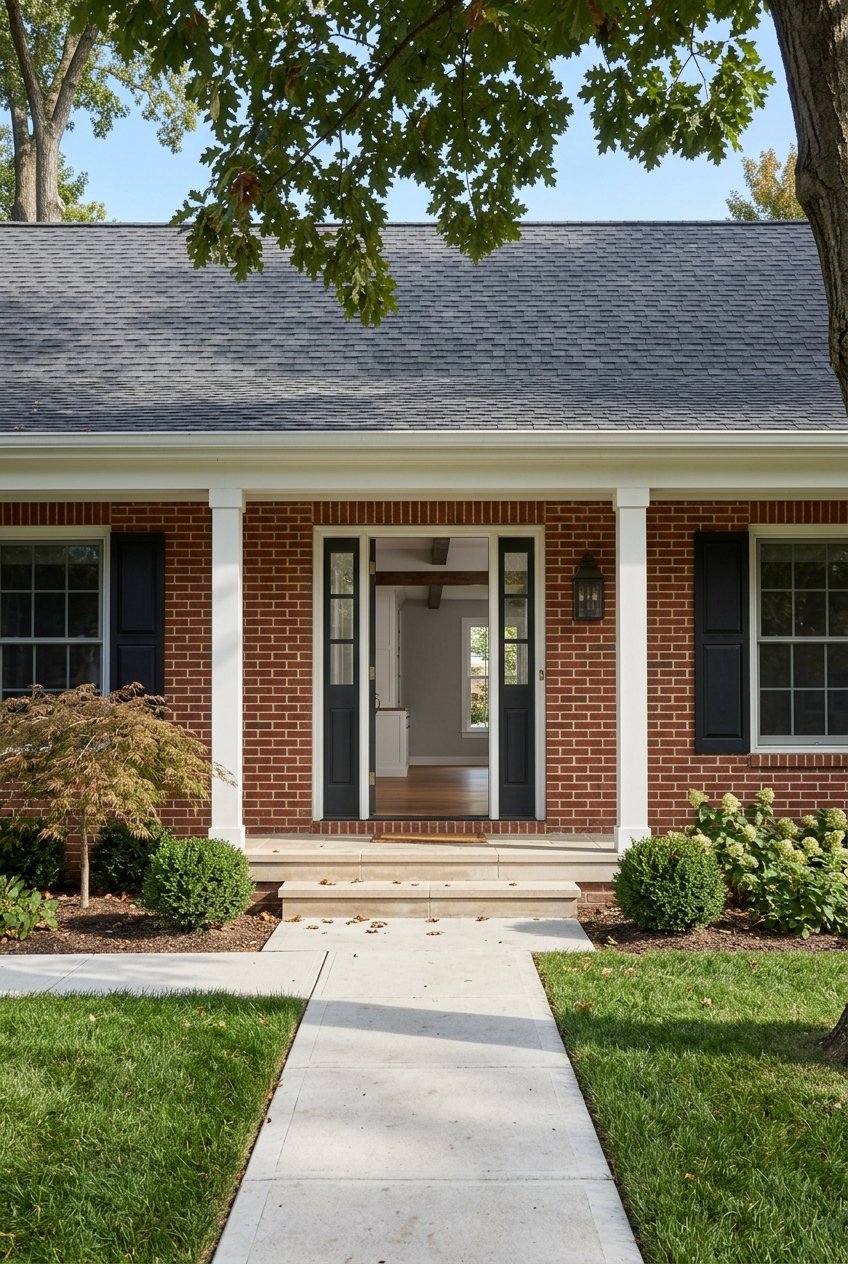
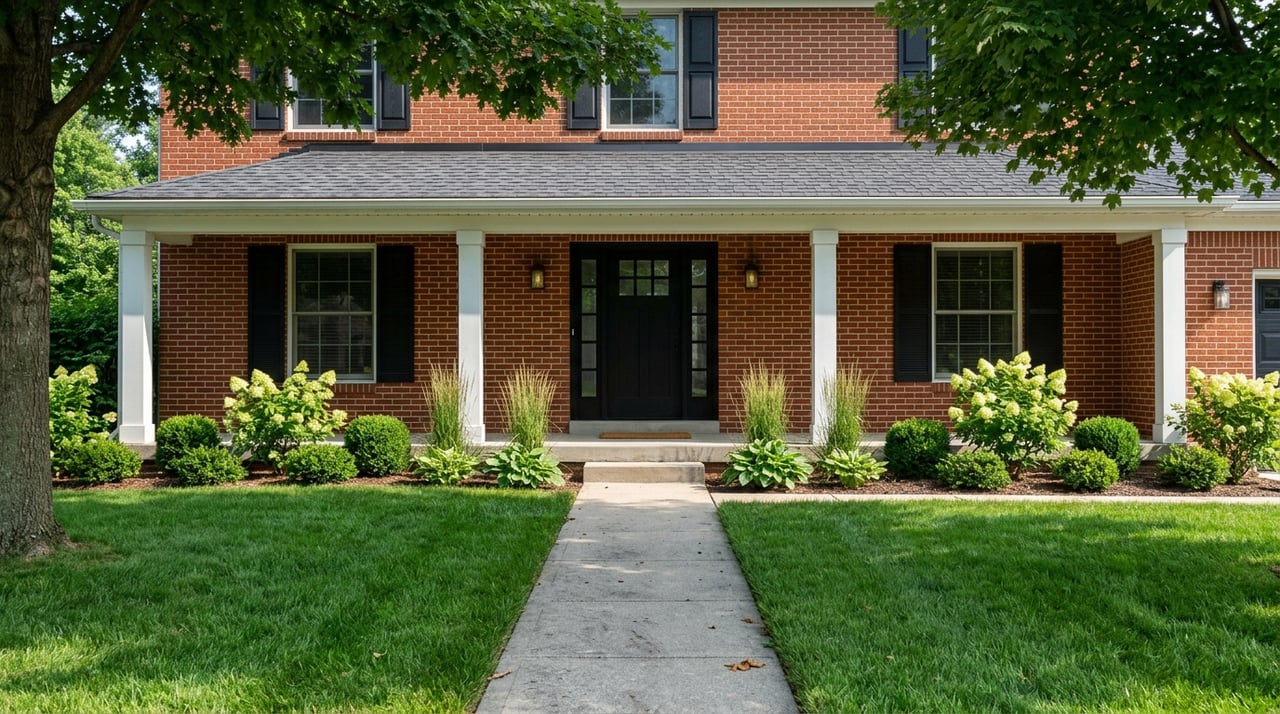
Classic Ladue living is most closely tied to the larger-lot districts, especially A and B. These are the areas where the city intentionally limits denser development to preserve natural vegetation and spacious character. If you picture long driveways, mature trees, deeper setbacks, and a stronger sense of arrival, this is the version of Ladue you are probably imagining.
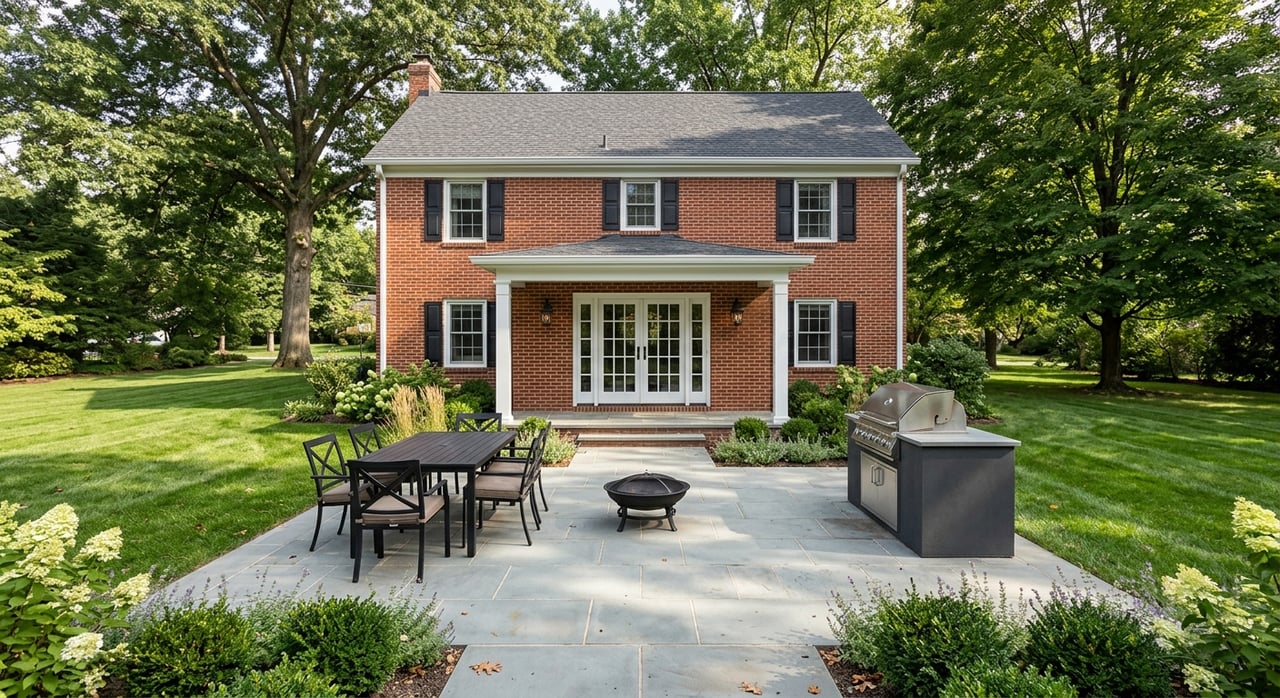
Daily life in these settings often feels quieter and more secluded. The home-to-street relationship is more formal, with landscaping and lot size doing a lot of the visual work. Outdoor entertaining, privacy, and the overall setting may take priority over a more street-facing or sidewalk-oriented experience.
That privacy comes with tradeoffs. Larger parcels usually mean more exterior upkeep, more landscaping to manage, and sometimes older site layouts that may feel less streamlined than newer homes. If a property sits on a private lane or a very large lot, you may also need to be comfortable with a setting that feels less connected to a conventional subdivision rhythm.
Classic estate-style homes in Ladue may suit you best if you want:
Contemporary living in Ladue can take a few forms. For some buyers, it means a mid-century home with open sightlines and expansive glass. For others, it means a newer custom build with a more current floor plan, updated materials, and a cleaner overall look.
What matters is that Ladue’s guidelines leave room for that architectural variety. The city’s standards are meant to preserve the qualities for which Ladue is known while also allowing residents to incorporate contemporary building practices, materials, and designs. So while Ladue is not defined by one modern style, contemporary homes can fit comfortably into the broader mix when they respect scale, rooflines, and neighborhood rhythm.
Mid-century homes bring a lighter, less formal feel than many traditional estate houses. The style is commonly associated with expansive windows, flat roofs, smooth wall surfaces, and more glass and steel. It is also known for a long-and-low character and frequent use of sweeping floor-to-ceiling windows.
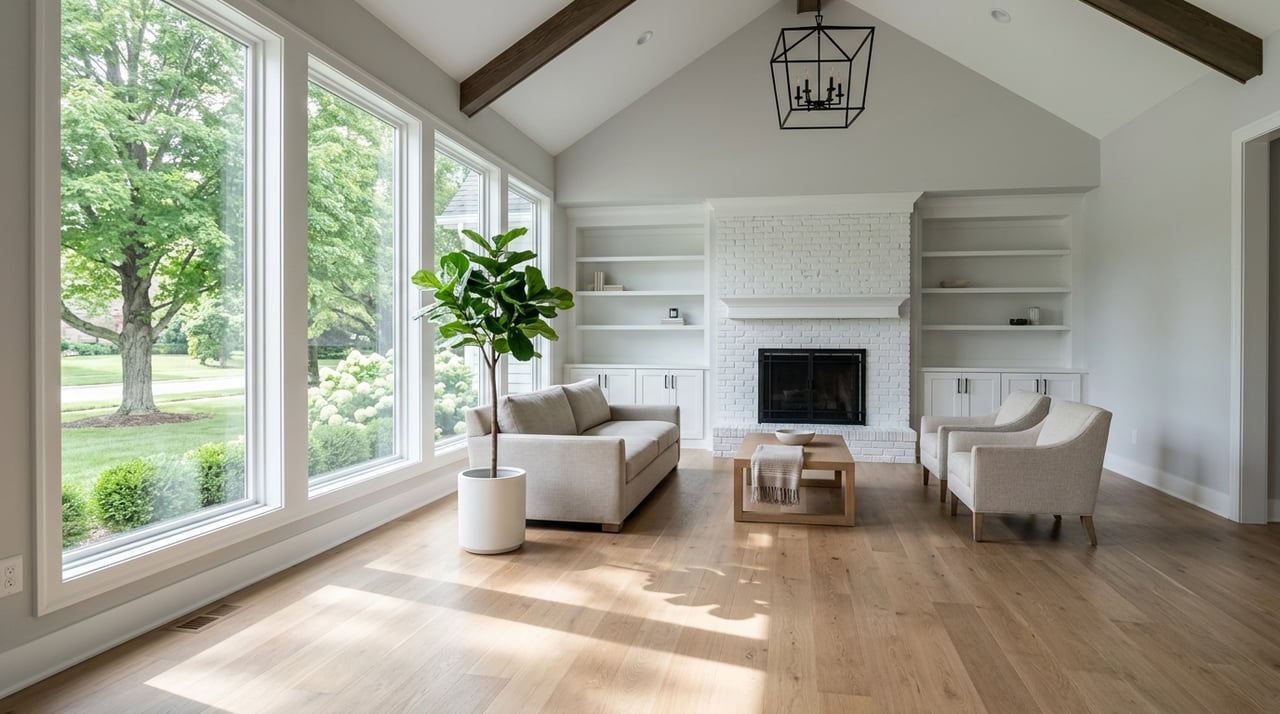
In real life, that often translates to interiors that feel open, bright, and more connected to the lot. If you love natural light and a less formal interior rhythm, a mid-century home may feel more intuitive than a classic estate layout. The experience is often more about openness and flow than ceremony and separation.
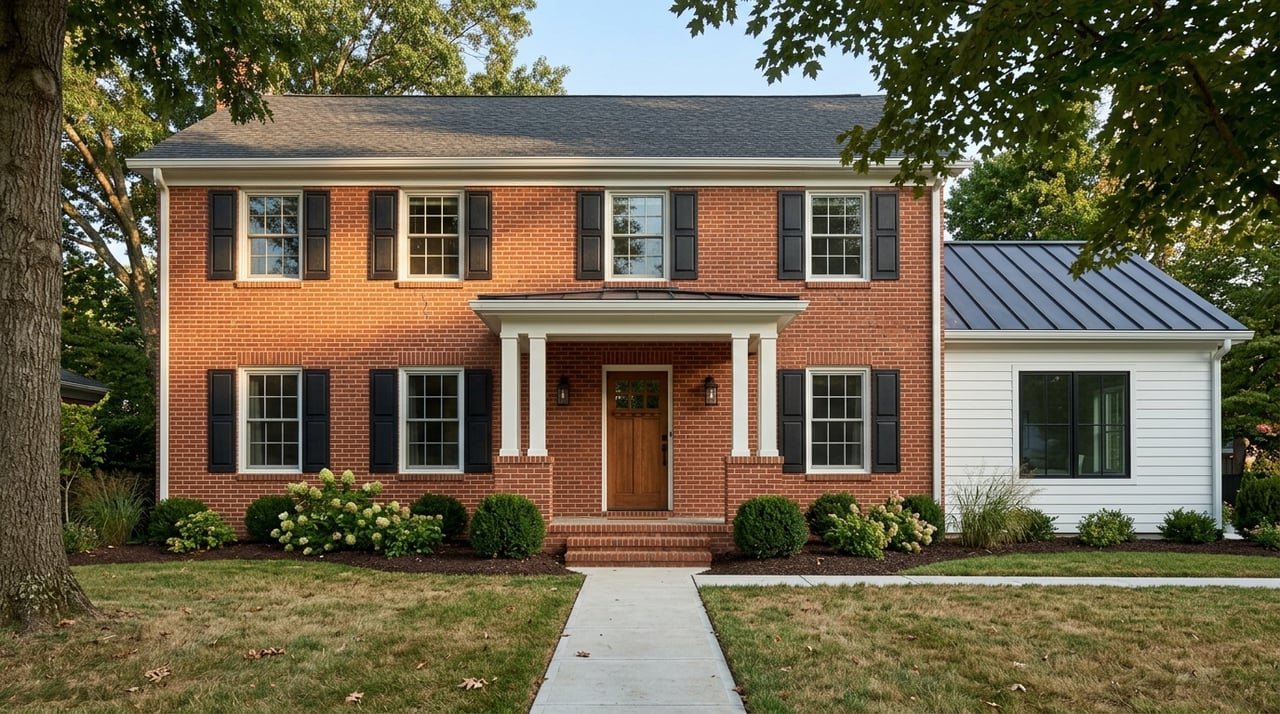
Newer custom builds are less about one fixed style and more about compatibility. For new homes and exterior alterations, Ladue requires plan submittals that include photos of neighboring properties. The Architectural Review Board then reviews whether the project conforms to architectural standards of appearance and design and fits surrounding structures in style, design, and size.
That means contemporary homes in Ladue are typically shaped by context. The city also discourages overly fragmented massing and too many front rooflines, so newer homes are usually tailored to the block rather than designed to overpower it. If you want a more current floor plan in a large-lot setting, this can be a strong fit.
There is another practical piece to consider. Tree removal over 6-inch caliper requires a permit and may involve city arborist review, so exterior updates can extend beyond the house itself. If you are buying with future changes in mind, it is smart to factor in that review process from the start.
Contemporary homes in Ladue may suit you best if you want:
Here is the easiest way to think about the choice: classic Ladue homes often prioritize privacy, landscape, and formality, while contemporary Ladue homes often prioritize light, openness, and updated flow. Neither is better across the board. It depends on how you want the home to support your day-to-day life.
| Feature | Classic Living | Contemporary Living |
|---|---|---|
| Lot feel | Often larger and more secluded | Can range from mid-century sites to newer custom lots |
| Street relationship | Deeper setbacks and formal arrival | Often more visually open and less formal |
| Interior experience | More traditional room structure | More open, bright, and flexible |
| Outdoor setting | Strong emphasis on landscape and privacy | Strong visual connection to site and natural light |
| Ownership considerations | More exterior upkeep on large parcels | More review awareness for future exterior changes |
When buyers compare Ladue with nearby suburbs, they are often comparing more than square footage. They are comparing privacy, lot size, and the level of design control that shapes the streetscape. That is one reason Ladue stands out.
For context, Clayton describes itself as having a bustling downtown with walking access to offices, restaurants, galleries, and shops, along with a mix of single-family homes, condominiums, and apartments. Its owner-occupied rate is 54.9%, and the median value of owner-occupied homes is $830,000. Ladue offers a more owner-occupied, detached-home pattern with a stronger emphasis on spacious residential character.
Nearby western suburbs also highlight that spectrum. Frontenac includes one-acre minimum zoning in its R-1 district, while Town and Country planning materials emphasize character protection and greenspace preservation. In that broader St. Louis County context, Ladue often feels like a middle point between more urban-mixed patterns and more landscape-preserving suburban enclaves.
If you are deciding between classic and contemporary living in Ladue, try focusing on how you want your home to function rather than which label sounds more impressive. Your daily routines will tell you more than the architecture alone.
Ask yourself:
For many buyers, the answer becomes clearer once they walk both types of homes. A classic estate may win you over with scale and setting. A mid-century or newer custom home may feel easier, brighter, and more aligned with how you actually live.
Whether you are refining a property story, marketing a high-design listing, or positioning a lifestyle-driven real estate brand around the Ladue market, clear storytelling matters. If you want strategic creative that turns architectural character into a compelling brand narrative, connect with Melinda Becker.
Stay up to date on the latest real estate trends.

Get assistance in determining current property value, crafting a competitive offer, writing and negotiating a contract, and much more. Contact me today.